
Developing Your Unique Color and Design Style in Abstract Art
Dec 01, 2025What is Color Psychology?
An answer to: how to develop your own color and design style in abstract art is by understanding color psychology!
- Emotional Effect of Colors: All colors have emotional meaning: reds and oranges are very energizing and passionate, whereas blues and greens are peaceful and meditative. These associations aid in the creation of the tone of an artwork.
- Context and Interaction of Colors: The color will have a different feel based on different contexts. Perfectly using color and design to enhance abstract art compositions on each other enables a painter to create an emotional disposition in a composition.
- Mood and Perception: It can be a warm or cool color palette, which entirely changes the mood of an abstract work, making people perceive the message of an artist in different ways.
- Cultural and Personal Influence: Color usually has a symbolic or personal connotation. The inclusion of such associations brings about a feel and personality in an abstract work, and assists the artist to produce a piece of art that would be close to the self and viewers.
Exploring Color Harmony
- The Color Palette: This is achieved by combining harmony to ensure that the eye does not feel overwhelmed by the overall visual impression on the canvas. Acquiring complementary and similar relationships is necessary to make colors work together.
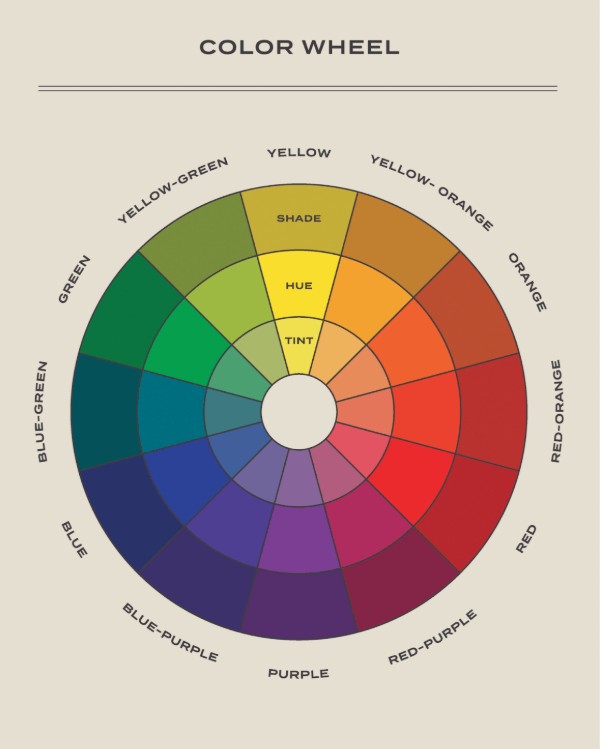
Source: https://share.google/Ud3y46IXiiZjIMBle
- Contrast and Unity: High contrast can be used to give a burst of energy, whereas low contrast can give a sense of serenity. This is because knowing when to apply which approach makes abstract expression controlled and purposeful.
- Gradation and Transition: There is a smooth transition between the colors that create the flow and sudden change of the tones that add motion and tension, which can be helpful with abstract compositions that are dynamic.
- Personal Harmony: With time, every artist will have the innate sense of what is right. Intuition can be a good guide in terms of listening to intuition when choosing colors, which can be more authentic and memorable in terms of visual identities.
Structuring Design Elements
Using color and design to enhance abstract art compositions has a great effect if you use the right elements!
- Balance and Composition: In abstraction, there needs to be a sense of visual equilibrium. Perfect symmetry is not always more organic and dynamic than asymmetrical balance.
- Movement and Flow: The lines, shapes, and the positioning of colors make ways through which the eye moves. The nature of rhythm makes the piece lively and purposeful.
- Focal Points and Depth: Emphasis on particular areas of light, texture, and contrast creates depth by assisting viewers in developing a profound interest in layered meaning.
- Negative Space as Design Technique: Open spaces give the work of art a chance to breathe. The use of space is well-intended to provide structure and contrast, highlighting the painted elements and improving overall composition.
Finding Inspiration in Nature and Emotion
- Nature as Palette Source: Nature presents innumerable color combinations: sunsets, forests, coral reefs, etc., which illustrate how different colors can be used in harmony. Learning them increases the awareness of an artist to natural balance.
- Emotional Translation: Abstract art benefits from converting the individual feelings to colors or lines and shapes or brushstrokes. Tonal decisions and composition can all be visualized to joy, grief, or serenity.
- Observation and Interpretation: It is possible to observe patterns of light, weather, and seasons, and the way that mood and tone change naturally, and this can give endless inspiration to design.
- Inner Reflection: Abstract painting tends to reflect the mental and emotional condition of an artist. By relying on personal emotions and not following any fashion, every work will have a singular meaning and distinctive qualities.
Experimenting with Medium and Techniques
- Investigation of the Materials: Each medium, oil, acrylic, watercolor, and mixed media has a different texture and transparency. Experiencing them will assist in discovering the right medium of self-expression.
- Creative Tools: Outside of brushes, a sponge, palette knives, or a household item can be used to bring something new into your visual language and add personal variation to it.
- Layering and Textural Play: The depth and mystery of the colors are built in layers, and the different textures in the painting offer both sight and touch, as well as richness to the senses.
- Breaking Boundaries: Abstract art promotes the violation of rules. The methods of mixing and splattering or combining digital and physical details extend the boundaries of creativity and assist artists in developing their own recognizable style.
Building Consistency and Signature Style
Consistency and signature style are your ultimate solution in case you are worried about how to develop your own color and design style in abstract art!
- Familiar Color Palettes: With experience, the use of specific color combinations can become an element of an artist, and the audience can start linking these colors to their work.
- Repeat Patterns and Motifs: Relating thematically as well as visually, repetitive forms, textures, or symbols create a feeling of familiarity and unity between two or more works.
- Reflective Practice: Reconsidering old pieces of art aids the definition of typical strong points, favorite methods, and a resemblance of emotional themes that characterize personal development.
- Authentic Evolution: The style has to be developed through curiosity, experimentation, and reflection. Being original and perfecting technique makes the visual language of an artist personal and eternal at the same time.
Table: Core Principles of Color and Design in Abstract Art
|
Principle |
Description |
Effect in Abstract Art |
|
Color Psychology |
Study of emotional effects of color |
Builds mood and emotional resonance |
|
Harmony and Contrast |
Balancing visual unity and tension |
Creates rhythm and depth in compositions |
|
Composition and Balance |
Arrangement of elements for stability |
Guides viewer focus and flow |
|
Texture and Technique |
Variations in surface and material application |
Adds tactile richness and visual intrigue |
|
Personal Expression |
Integration of feelings, memories, and instincts |
Defines a distinctive and authentic style |
Conclusion
The creation of one's own color and design style in abstract painting is an enriching experience. It is a mix of emotion, intuition, and technical knowledge that would form a language that is above and beyond words. Experimenting with using color and design to enhance abstract art compositions, artists develop a visual signature, which is exposed to the inner landscape. It will be a long trip, but it will bring aesthetic truth and richness of feelings. When color and some design collaborate, abstract art is not just an image, but it is an experience that joins the artist and the viewer in a creative dialogue. Art and Success lets you understand how to develop your own color and design style in abstract art.
FAQs
- What are the ways of trying to find my color identity?
Test palettes frequently; make notes about what makes you feel what to identify which palettes you like the most.
- What is the secret of perfect color harmony?
One should study theory, but also believe in gut feelings--what feels right is usually right, rather than right.
- What is so important about structure in abstract art?
It will avoid confusion, and each component will play a meaningful role in the entirety.
- How can I stay inspired?
Look at color in the world, feelings, and design; inspiration is sometimes found in the most uncomplicated things in life.
FREE GUIDE
Five Must Have Studio Tools Each Under $20
Sign up now to get instant access to the free guide that reveals the 5 most important tools that I always have by my side!
We hate SPAM. We will never sell your information, for any reason.
