
How to Use Process-Based Exercises to Break Creative Blocks or Stagnation with an Affordable Art School Approach
Apr 17, 2026When creative flow is sluggish or when an idea is uninspired, creative blocks can also slow artistic development and decrease confidence. By understanding how to use process-based exercises to break creative blocks or stagnation, artists are able to reconnect with creativity by methodically experimenting with new materials. This, coupled with a strategy of expert detachment with an affordable art school, guarantees steady growth that is not too expensive.
Artists can also be reinforced by a step-by-step color and design tutorial for artists, which promotes exploration. Art and Success is all about integrating these components into an effective learning process that allows the artists to proceed with an enhanced insight and assurance. Incorporating effective methods, the artists will be able to turn stasis into movement and develop more regular and expressive creative practice.
Understanding Creative Blocks in Art
Creative blocks are commonly due to overthinking, fear of error, or uncertainty. The awareness of these issues enables artists to use systematic methods and balance creative channeling with practice and systematic approaches to the learning process.
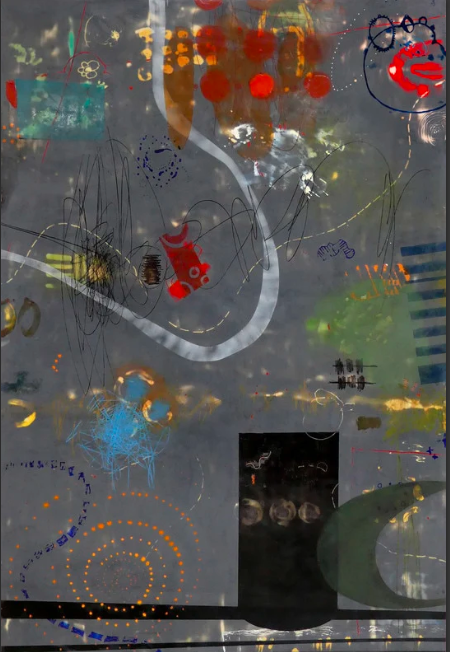
Common Causes of Creative Stagnation
- Fear of Imperfection
Artists are usually afraid to provide experiments as they fear giving an incorrect product or creating poor work. This fear inhibits creative exploration and constrained growth, and it is hard to understand how to use process-based exercises to break creative blocks or stagnation. - Repetitive Techniques
Repeated methods the same means of doing things may result in boredom and low motivation. The lack of variation stifles creativity, and artists are no longer able to have new ideas, compositions, and methods of executing them, which would further develop their art and allow them to engage more. - Lack of Inspiration
Lack of creative energy in the artists does not occur when they do not see new works of art or experience new impressions. It can be hard to keep it going without new input, and that is why structured work and tutored learning are vital in bringing about renewed inspiration and artistic inquisitiveness. - Overthinking the Process
As it is created in excess, it disrupts the natural flow. The feeling of being in a fix where artists judge each action becomes restraining in their spontaneity. Exercises involving a how to use process-based exercises to break creative blocks or stagnation will allow the transition of perfection to exploration, thus allowing creative expression to become more natural and streamlined. - Absence of Structured Learning
Devoid of proper guidance, the artist can get lost or confused about progress. An affordable art school offers guidance where an artist gets to learn in an organized yet still creative manner, and there is no stalemate along their artistic path.
How to Use Process-Based Exercises to Break Creative Blocks or Stagnation
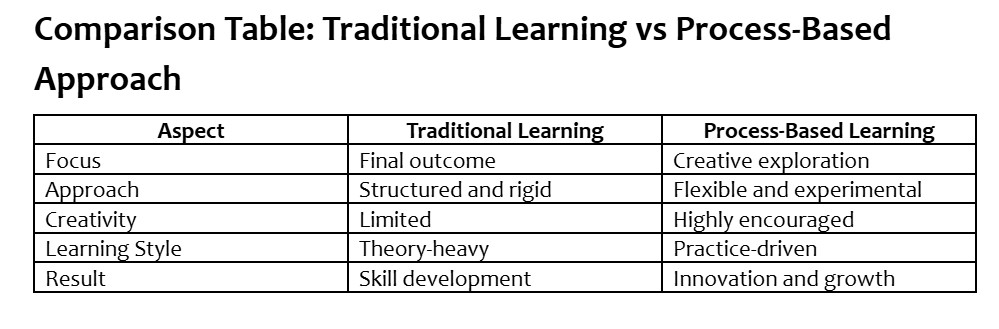
Action is placed more than perfection in the exercises done through processes. They foster experimentality and bodily movement, supporting artists to get out of a standstill and reawaken creativity by organizing open and spacious artistic practices.
Effective Process-Based Techniques
- Timed Creative Sessions
By establishing time deadlines, one can help save time and minimize overthinking. This approach can enable artists to emphasize action over perfection, and, therefore, it is simpler to implement how to use process-based exercises to break creative blocks or stagnation in effective daily practice. - Abstract Mark-Making
The ability to free-flow when creating spontaneous lines, shapes, and textures eliminates the strain to produce flawless work. It is an exercise that builds confidence, lets artists explore, and makes them find new visual patterns and concepts without being tied down to expectations or predetermined results. - Material Exploration
Using new tools, media, and surfaces, new textures and effects are produced. Such a technique encourages creativity and broadens artistic opportunities, making artists go outside their habits to find new approaches to presenting ideas to a viewer. - Constraint-Based Exercises
Restrictions on colors, shapes, or methods mentally challenge us to creatively solve a problem. These limitations make artists explore innovative ways of thinking, fostering creativity, and assisting them in creating their own solutions to address them, which will contribute to their creativity and the growth of their technical knowledge. - Repetition with Variation
Discovery occurs when repeating an idea, but altering some of the elements (color, composition, or technique). The technique supports learning, fosters confidence, and makes the artists discover new paths in the old concepts, which encourages creative flexibility and development.
Benefits of Process-Based Learning in an Affordable Art School
Structured learning environments provide guidance and consistency. They do contribute to the systematic acquisition of skills in artists and allow them to remain creative and have a gradual improvement in terms of the technical and expressive side of art.
Key Benefits
- Consistent Skill Development
A low-cost school of art will provide orderly education, sustaining consistent growth. As they improve, artists can develop the basic skills and progress at a steady pace, with guaranteed long-term development without feeling overwhelmed or unsure of their future path as an artist. - Access to Guided Exercises
Artists are able to access guided activities that instruct them in employing process-oriented activities to disrupt creative stasis or block. The exercises offer real-life practice, enabling artists to use techniques in real-life creative scenarios. - Improved Creative Confidence
Confidence is developed through regular practice and planned learning. The freedom that artists are given to experiment and take risks creatively results in greater artistic expression and creative work in the long run. - Balanced Technical and Creative Growth
The integration of theory and practice is advantageous to total development. Artists enhance technical expertise as well as creativity, which translates to balanced artistic capabilities and more effective art. - Cost-Effective Learning Opportunities
Access to quality education is brought about by affordable programs. It enables artists to keep learning and bettering their skills and abilities without the burden of finances to help them maintain their continuous development and eventual artistic success.
Conclusion
Nothing can get out of stagnation without structure and being creative. The art professionals are taught how to use process-based exercises to break creative blocks or stagnation, and to advance and restore the momentum and confidence of the artist. This, coupled with an affordable art school strategy and a step-by-step color and design tutorial for artists, will result in continuous improvement. Art and Success is the workbook and inspiration to use challenges and make them creative breakthroughs and sustainable artistic development.
Experience creativity and make fits of steady artistic development with verified designs. Enroll now in Art and Success to discover organized workouts, develop creativity, and hone artistic skills under the guidance of the experts.
FAQs
1. What are process-based exercises in art?
Process-based exercises are not goal-oriented but explore-oriented exercises that teach the artist to prevent creative blocks or stagnation when engaging in regular and organised creative practice.
2. How does an affordable art school help artists grow?
A affordable art school offers you organized instruction, precise drills, and constant access to learning, enabling artists to develop skills continuously without having to mature under financial strain and enormous commitments.
3. Why is color and design important in abstract art?
step-by-step color and design tutorial for artists are used to enhance composition, balance, and visual harmony in the artwork, keeping it interesting, expressive, and technically sound.
4. How often should process-based exercises be practiced?
Short sessions are regular work. Use of consistency serves to reinforce techniques and can be performed to ensure steady progress and avoid stagnation or discouragement in creativity.
FREE GUIDE
Five Must Have Studio Tools Each Under $20
Sign up now to get instant access to the free guide that reveals the 5 most important tools that I always have by my side!
We hate SPAM. We will never sell your information, for any reason.
