
Learn Color Theory and Design for Mixed Media Painting – Unlocking the Language of Visual Harmony
Dec 01, 2025What is the Way to Make Effective Composition and Design in Mixed Media?
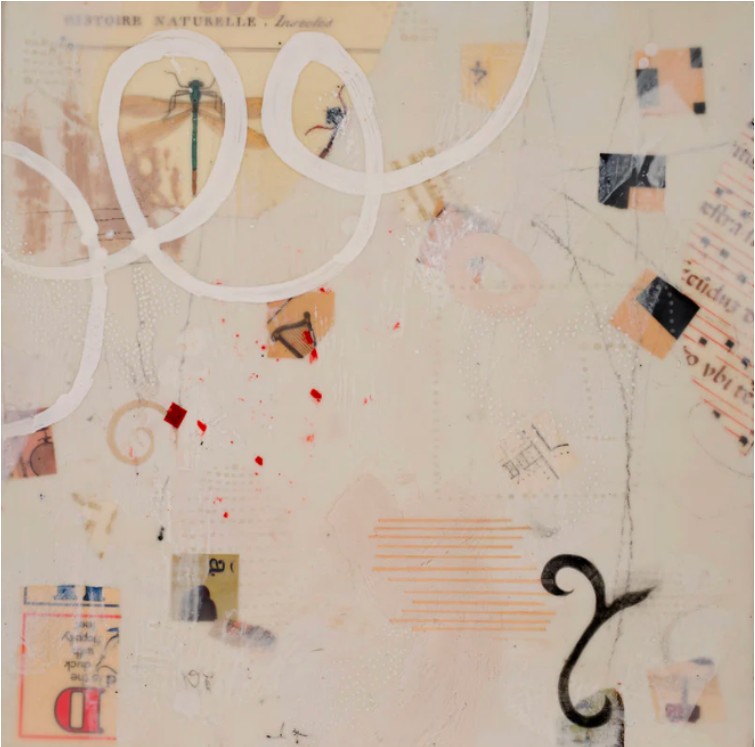
How to combine color and design in mixed media painting is something you must learn for a great composition. Check out the points below to know what you should do to make your piece of art look stunning!
- Balance and Visual Weight:
Balance is used as a starting point to learn color theory and design for mixed media painting--symmetrical or asymmetrical. By sharing the visual load of size, color, and position, one will not have the impression that an individual part is too cumbersome or bare, since it can be used in combination with various materials. - Creating Focal Points:
There is a focal point that provides an anchor to the eye of the viewer. Emphasis is made by artists through the addition of contrast, detail, or brightness to a selected location. This brings visual subordination and plot movement. - Movement and Flow:
The design is supposed to lead the eyes of the viewer in a schemed manner, either by curves, diagonals, or even implied lines. Composition provides power and unity to stratified materials through rhythm. - Utilizing Negative Space:
Unutilized or unused spaces are effective design instruments. These avoid visual clutter, bring out texture, and provide breathing space so that layered elements will shine out on their own. - Unity, Repetition, and Rhythm:
The use of repetition of some colors, shapes, or motifs brings rhythm and unity. The form of the design is consistent, which connects paper, paint, and fabric, so it will not be perceived as separate.
A thoughtful composition will make a mixed media piece that looks like a collage of elements into a single flowing story. It makes sure that each layer works in the direction of the viewer going through the piece of art. The advanced color and design concepts for mixed media painting will definitely make your art a masterpiece!
Once you learn color theory and design for mixed media painting from scratch, you can be a master of it! Art and Success offers you an exclusive way to learn the fundamentals as well as the advanced color and design concepts for mixed media painting! So, if you are keen to learn, join their masterclass now!
Combining Color and Design in Practice
Do you know the best way to learn color theory and design for mixed media painting? Well, by practising to mix color and design, you can learn it easily.
- Layering with Purpose and Planning:
Mixed media succeeds on overlay rather than fortuitous overlay; every overlay must be intentional. Start with a ground of colors which establishes a certain tone, then add textures and highlights that support each other as opposed to competing. - Using Contrast for Emphasis:
Visual excitement comes through contrasts in color, texture, or shape. The contrast of light pastel background and harsh acrylic lines or smooth metallic accents creates a tension of drama and depth. - Interaction Between Materials:
They all respond differently, one medium being acrylics, which dry opaque, and ink, which is transparent, and collage papers that absorb pigment unevenly. Knowledge of these physical properties is used to obtain a controlled and aesthetic blend. - Maintaining Color Harmony:
A unified palette is maintained even in an experimental situation. The repetition of the colors with the help of materials or layers makes the work of art seem purposeful and combined without creating visual noise. - Balancing Freedom and Structure:
Mixed media is experimental, yet there is structure. Allow nature to direct the creation; however, apply the principles of color and design theory to perfect the composition into a visual masterpiece.
Knowing how to combine color and design in mixed media painting allows the artists to produce works that are spontaneous and yet balanced; alive in terms of texture, emotion, and purpose.
What are the Advanced Concepts for Professionals
- Mastering Gradients and Transitions:
Smooth transitions between colors- glazing, blending, or overlaying materials are an element that gives the artwork an atmospheric quality and realism, and the eye smoothly moves through various areas of the artwork. - Exploring Texture’s Role in Color Perception:
Texture can influence the color; it is possible that a rough surface makes the color darker, and a glossy surface makes it brighter. It is a combination of these variations that helps to add depth to the sensory experience. - Color Symbolism and Narrative Depth:
Color is a language of advanced artists; gold can be taken to signify divinity, gray decay, and blue eternity. The inclusion of these symbolic meanings in all these materials enriches the story. - Building Visual Hierarchy and Perspective:
Depth is achieved by the use of scale, overlapping layers, and contrast. The brighter colors or heavier texture of the foreground leaves a natural attraction, which adds depth to the flat surfaces. - Experimenting with Light and Transparency:
Luminosity is achieved by the incorporation of translucent media such as resin, vellum, or thin washes. The use of reflected and diffused light in playing with it changes the mood of the artwork in a dynamic manner.
The greatest art of mastering is not to be perfect but to learn to stop at a certain point so that color, design, and texture can be in harmony with each other. The advanced color and design concepts for mixed media painting make it an elevation of the decorative art to immersive storytelling.
Table: Key Color & Design Relationships in Mixed Media
|
Concept |
Color Impact |
Design Application |
|
Warm vs Cool Colors |
Determines emotional tone and energy |
Balances visual temperature and contrast |
|
Contrast & Value |
Adds drama and depth |
Guides focus and creates hierarchy |
|
Texture & Light |
Alters hue perception |
Enhances dimensionality |
|
Repetition & Rhythm |
Creates harmony and continuity |
Strengthens visual flow |
|
Symbolic Color Use |
Conveys emotion or meaning |
Builds narrative layers |
Conclusion
The study of how to combine color and design in mixed media painting makes it a true innovation. Artists develop skills of creating emotion, manipulating focus, and balancing complex materials. Through the ability of balance, contrast, and unity, any piece of art will be more deliberate and expressive. These principles give a guide manual on how to go about creativity that knows no limits- combining color, composition, and material into a single vision. Art and Success is the best place to learn advanced color and design concepts for mixed media painting!
FAQs
Q1. Why should we learn about color theory when it comes to painting in mixed media?
It aids artists in getting pictorial balance and emotional equilibrium with different materials.
Q2. What is the effect of composition on the success of a painting?
Composition also creates order in a visual flow in such a way that all elements support the main message.
Q3. Is there any effect of texture on the appearance of color?
Yes, coarse surfaces make the tones dark, and smooth ones make the colors brighter.
Q4. How do professionals unify mixed media art?
They combine form with imagination- theory, intuition, and experimentation.
FREE GUIDE
Five Must Have Studio Tools Each Under $20
Sign up now to get instant access to the free guide that reveals the 5 most important tools that I always have by my side!
We hate SPAM. We will never sell your information, for any reason.
